

‘[N]ot all contemporary work in critical animal studies has explicitly feminist and intersectional orientations or theoretical bases, despite the field’s original commitments to seeing and challenging oppressions as interlinked (Best et al. 2007)’ (Kuura irni et al. 1).
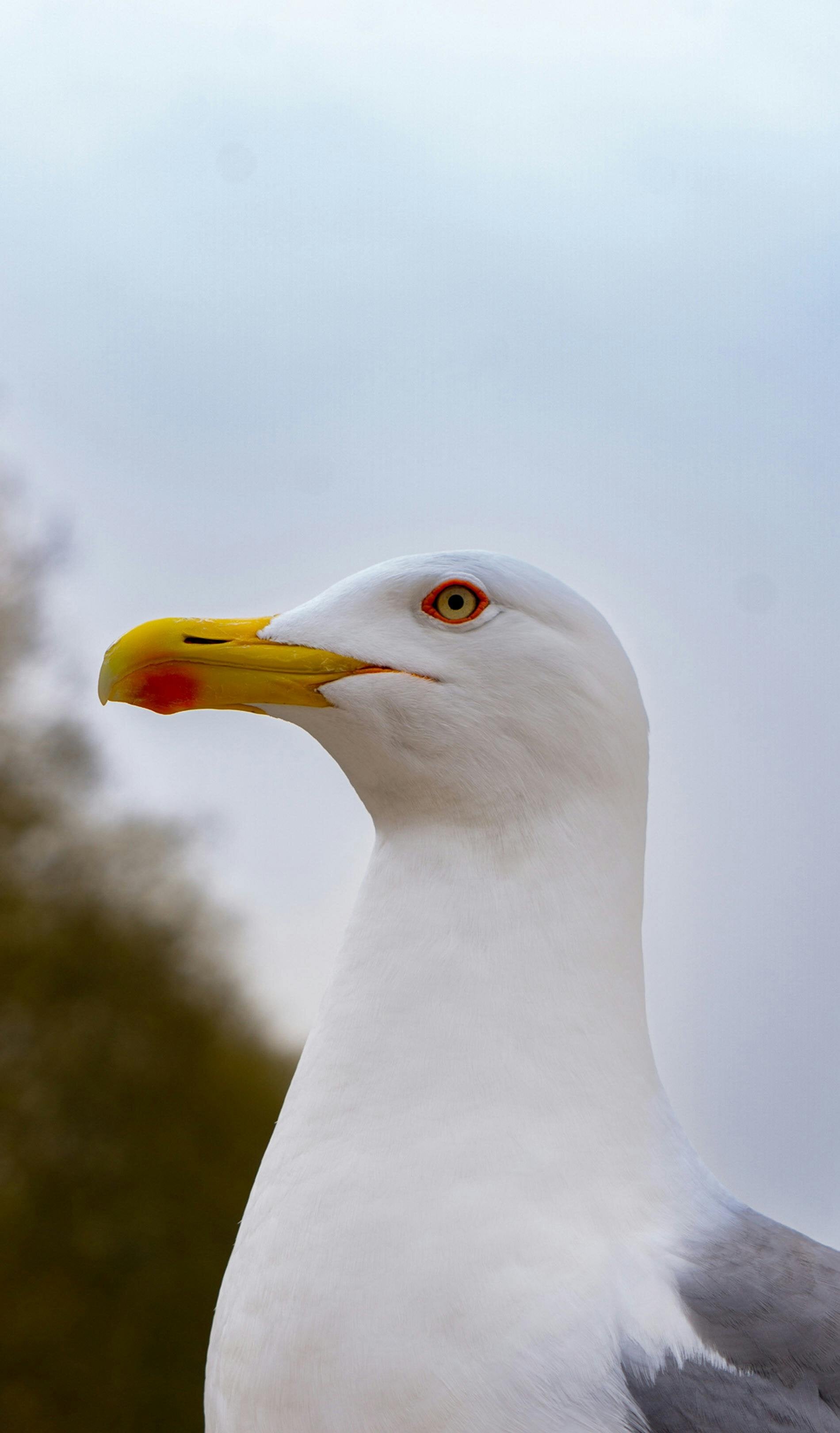
The discipline of critical animal studies functions as an analytic to understand the politics of oppression and marginalization in the broader sense, extending beyond the sociopolitical world of the human-animal. Critical Animal Studies (CAS) aims to develop a critical understanding of the systematic oppression nonhuman animals face in a world dominated by corporate interests. It invites us to think through the interconnectedness of patriarchy, imperialism, speciesism, capitalism, sexism and racism. It asks what alternative and emancipatory forms of social and political life nonhuman lifeworlds might teach us in this contemporary moment of exacerbated political, economic and ecological violence.
How are non-human animals represented in media and culture and through what language? Where do concepts like ‘crazy cat lady’ and ‘domesticated animal’ come from? How did colonial and capitalist logics transform our landscapes into productive territory, and whose lives have been erased? In what ways can we explore more-than-human-agency and decolonial food systems? What does it mean to touch the body of a non-human animal? How can we rethink urban ecologies as sites of cohabitation and kinship, not extraction or mere utility?
Ecofeminist and decolonial thought are intrinsic to CAS. Through the group’s rejection of anthropocentrism and institutionalized oppression, it takes an activist stance against any type of violence, like factory farming and animal testing. Instead, members are invited to reimagine multispecies futures shaped by curiosity, care and kinship.
source: https://asca.uva.nl/programme/seminars/critical-animal-studies/cas.html
Maak jouw eigen website met JouwWeb